
SBA Loans Nationwide, Up to $10 Million
🏛️ Government-Backed Business Funding, All 50 StatesI’m Kevin Kermeen, a nationwide commercial loan broker, not a bank. I match you to the best SBA loans partner for your specific deal, so you skip the dead ends and the weeks of waiting that make most owners give up. Government-backed financing means lower rates, longer terms and higher limits, and starting July 4, 2026 a qualified borrower can combine 7(a) and 504 for up to $10 million. I’ll structure yours right the first time.

New for 2026: the SBA doubled the combined limit
Starting July 4, 2026, a qualified borrower who secures a 7(a) loan can also access a 504 loan, for up to $10 million in combined SBA-backed financing … the highest in agency history. I’ll help you structure both halves.
Eight SBA Loans, One Broker Who Matches You to the Right Lender
The SBA runs several programs, and the right one of these SBA loans depends on what you’re funding. Here are the eight I place, with a straight answer on which fits. Click any program for the full details, or just call me and I’ll match it in one conversation.
SBA 7(a) Loans
Working capital, equipment, inventory, business acquisition or real estate. Up to $5M, terms to 25 years.
See 7(a)SBA 504 Loans
Long-term, fixed-rate financing for owner-occupied property and major fixed assets. Up to $5.5M, 10% down.
See 504SBA Express Loans
A streamlined SBA option with a quicker decision when you need capital sooner and a smaller amount works.
See ExpressSBA Startup Loans
SBA-backed capital structured for founders launching or in their first years, where conventional banks say no.
See StartupSBA Microloans
Smaller-scale funding for working capital, inventory, supplies or equipment when you don’t need the big programs.
See MicroloansSBA CAPLines
SBA lines of credit for seasonal needs, contracts, or building inventory and covering receivables as you grow.
See CAPLinesSBA Made in America
SBA financing aimed at businesses that produce and build in the United States, with capital to expand capacity.
See Made in AmericaSBA Export Loans
SBA-backed capital for exporters, financing the working capital and growth that international sales demand.
See ExportNot sure which SBA program fits?
That’s what I’m here for. Tell me what you’re funding and I’ll point you to the right SBA loans in one call.
Buyer Acquired a $2M Business With 10% Down on a 10-Year SBA Term
A buyer wanted to acquire an established business priced at $2 million but did not want to drain every dollar of liquidity to do it. A conventional lender wanted far more down and a much shorter payback.
He called me. I matched him to the right SBA partner for an SBA 7(a) loan at 90% financing, just 10% down, amortized over 10 years. The longer term kept the payment manageable, and he closed the acquisition with cash still in reserve to actually run the business.
That is the difference between fighting one bank alone and a broker who sends you to the right SBA lender. Don’t Beg the Bank! Get funded instead.
SBA Loans Are the Gold Standard of Business Financing
An SBA loan is a bank or approved-lender loan partially guaranteed by the U.S. Small Business Administration. You are not borrowing from the government … you are borrowing from a lender the government backs. That guarantee lowers the lender’s risk, and that is exactly why SBA loans come with lower rates than a bank would offer alone, longer terms and higher limits than most alternatives.
Lower Rates
Because the SBA backs a portion of the loan, lenders price below most non-bank alternatives. Capital you can actually afford.
Long Terms
Up to 25 years for real estate and 10 years for working capital or equipment. Long amortization keeps the payment low.
Low Down Payment
As little as 10% down on many deals, so you keep liquidity in the business instead of sinking it into the purchase.
Buy a Business or Property
Acquisitions, owner-occupied real estate, expansion and equipment all fit inside the SBA programs.
Flexible Use
7(a) covers working capital, inventory, equipment, acquisition and real estate. One program, many uses.
SBA Loans Refinance Costly Debt
Roll high-interest, short-term debt into a long, low-rate SBA structure and free up monthly cash flow.
Which SBA Loan Fits Your Business?
Transparency builds trust. Here is a side-by-side of the core SBA loans I place through my partner network, so you can see at a glance which one matches your need. Click any program for the full guidelines, or call me and I’ll match it for you.
| Program | Best For | Max Amount | Notes |
|---|---|---|---|
| 7(a) | General purpose, acquisition | Up to $5M | Most flexible, terms to 25 yr |
| 504 | Real estate and equipment | Up to $5.5M | Fixed-rate, 10% down, 50/40/10 |
| Express | Faster, smaller deals | Streamlined | Quicker SBA decision |
| Microloans | Small working capital | Up to $50K | Through intermediary lenders |
| Startup | New businesses | Varies | For founders and early-stage |
| CAPLines | Revolving working capital | Line of credit | Seasonal and contract needs |
Swipe to see all columns →
SBA 7(a) loans run up to $5 million with rates roughly 9.75% to 13.25% (SBA-capped) and terms up to 25 years for real estate; down payment is typically 10 to 20 percent. SBA 504 loans support an SBA-backed portion up to $5.5 million at rates roughly 5% to 7%, fixed for the term, with 10% down on standard projects in a 50% bank, 40% CDC, 10% borrower structure for real estate and equipment. Microloans cap at $50,000. Starting July 4, 2026, a qualified borrower may combine 7(a) and 504 for up to $10 million. Final rates, terms and eligibility are set by the SBA and the lender and depend on your business, credit and use of funds. This is not a commitment to lend.
I Match You to the Right Lender So You Don’t Wait Weeks.
Most owners stall on SBA loans because they take the deal to the wrong lender. I match you to the SBA partner built for your exact loan type, so it moves instead of stalling.
Quick Pre-Qual
A simple review of revenue, debt, credit and what you’re funding. No 200-page package to start.
I Pick the Program
I match you to the right SBA structure of the eight and the partner lender most likely to approve it.
I Hand You to My Partner
I connect you to the SBA lending partner most likely to approve your deal, who packages and underwrites it.
Close and Grow
You close on long-term, lower-rate capital and put it to work building the business.
Who SBA Loans Are, and Are NOT, For
SBA loans are smart money, not fast money. I qualify deals honestly so neither of us wastes time. If you’re on the left, call me today.
✅ This IS for you if…
- ✔You’re buying a business, property or major equipment.
- ✔You want lower payments through a long amortization.
- ✔You have a 660+ FICO and a for-profit U.S. business.
- ✔You want to refinance expensive short-term debt.
- ✔You can wait for proper underwriting in exchange for better terms.
🚫 This is NOT for you if…
- ✕You need emergency cash this week … SBA takes real underwriting.
- ✕You can’t document revenue, financials or a business plan.
- ✕You want to fund passive residential rental property.
- ✕Your credit and time in business are very thin with no offsetting strength.
- ✕You won’t sign a personal guarantee.
Pre-Qualify for an SBA Loan
Sixty-second SBA loans pre-qualification. I personally review every submission, no call center, no junior rep.
Got it. I’m on it.
Your SBA loans pre-qualification landed in my inbox. I personally review every submission and most responses go out within one business hour.
Watch for a call from me, Kevin Kermeen, I call directly, I don’t text.
Recent SBA Loans From My Desk
A snapshot across the SBA programs. Every deal is different, yours starts with a conversation.
$2M · Business Acquisition, 7(a)
Bought an established business at 90% financing, 10% down, amortized over 10 years.
$1.6M · Owner-Occupied RE, 504
Purchased a building on a fixed-rate 504 with 10% down in the 50/40/10 structure.
$45K · Working Capital, Microloan
Smaller SBA microloan to fund inventory and supplies for a growing local business.
How I Match SBA Loans to the Lenders That Actually Close Them
Most owners go straight to one bank for SBA loans, wait weeks, get a no, and give up. I match you to the SBA partner built for your exact loan type, the one most likely to approve and close it, and stay on it with you through funding. The right SBA loans go to the right lender, every time. The SBA process rewards going to the right lender, and that is exactly what I bring.
Here is what most people misunderstand. The SBA does not lend you the money directly. You borrow from a bank or approved lender, and the SBA guarantees a portion of that loan, which lowers the lender’s risk. That guarantee is the whole reason SBA loans carry lower rates, longer terms and higher limits than most alternatives. My job is to match your deal to the partner lender most likely to get a yes from the SBA, and to pick the right program of the eight for what you are actually funding.
The programs are not interchangeable. A 7(a) loan is the flexible workhorse for acquisition, working capital and mixed use. A 504 loan is built for owner-occupied real estate and heavy equipment at a long fixed rate. Express moves faster for smaller needs, CAPLines gives you revolving working capital, and microloans handle the small stuff. Choose wrong and you slow the deal or leave money on the table. Match the program to the deal, and starting July 4, 2026 a qualified borrower can even pair a 7(a) and a 504 for up to $10 million in combined SBA-backed financing.
So start by telling me what you’re funding. Buying a business or mixing uses? An SBA 7(a) loan. Buying a building? An SBA 504 loan. Launching? SBA startup loans. Need it faster or smaller? Express and microloans. Prefer something outside the SBA? Compare a commercial term loan or browse every option on my loan programs page. Don’t Beg the Bank! Get funded instead.
Straight Answers Before You Apply
What are SBA loans?
How much can I borrow with an SBA loan?
Which SBA loan is right for me?
What do I need to qualify for an SBA loan?
How long do SBA loans take?
What does it cost to work with you?
SBA Loans by Industry
I match manufacturers to SBA financing when it fits, including the new Made in America 90% guarantee. Find your industry below.
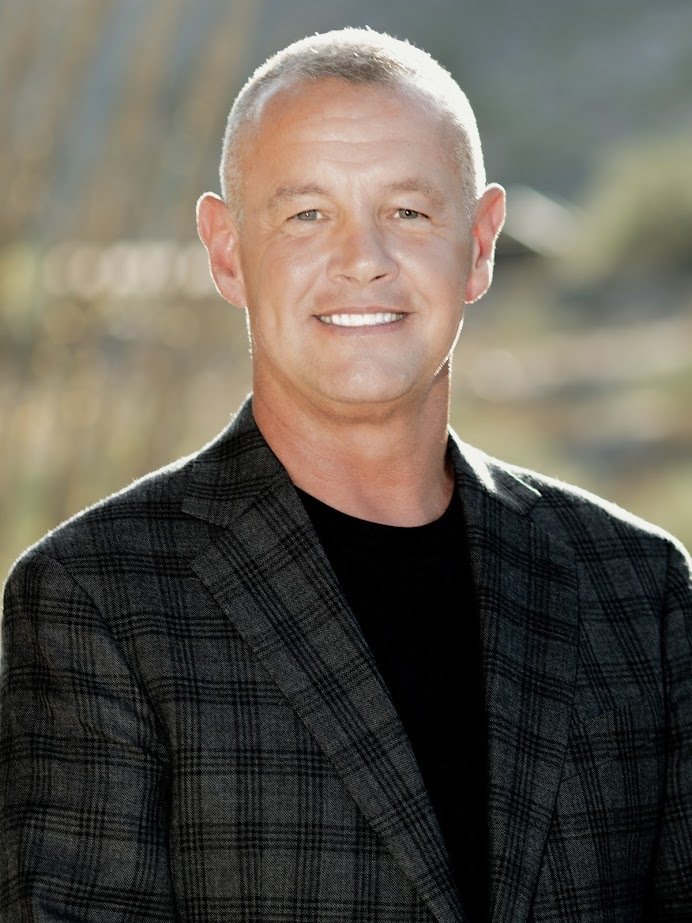
An SBA Loan Advisor Who Knows Which Lender Says Yes
I’m Kevin Kermeen, the nationwide commercial loan broker behind 75BizLoans.com, not a banker. I work all eight SBA loans programs and review every deal personally. I’m not a bank and I don’t underwrite the file myself … I match your deal to the SBA-approved partner lender most likely to approve it, the one built for your exact loan type, and stay with you through closing. For the official program details, see the U.S. Small Business Administration loan programs and the SBA 7(a) program page.
Get Funded Instead.
Banks hand out umbrellas when the sun is shining, not when you’re weathering the storm. I match you to the right SBA partner so you don’t fight the bank alone … lower rates, terms to 25 years, as little as 10% down, up to $10 million combined starting July 4, 2026, and a same-day callback from a broker who structures it to close.
Loan amounts, rates, terms and down payments shown are typical ranges set by the SBA and the lender, not guarantees. *The combined $10 million limit reflects an SBA rule effective July 4, 2026 allowing a qualified borrower to pair a 7(a) loan (up to $5M) with a 504 loan (up to $5M of the combined cap); availability depends on SBA eligibility and lender underwriting. SBA 7(a) rates run roughly 9.75% to 13.25% (SBA-capped); SBA 504 rates run roughly 5% to 7% fixed; microloans cap at $50,000. SBA loans require a personal guarantee, carry an SBA guarantee fee and standard closing costs, and are for eligible for-profit U.S. businesses. *No upfront fees refers to fees payable to 75BizLoans.com; I am compensated by the lender at closing. Some partner lenders may require a commitment fee or deposit upon your acceptance of their term sheet; any such fee is the lender’s, is disclosed before you commit, and is separate from any compensation to me. Final eligibility, rate, term and structure are determined by the SBA and the lender. This is not a commitment to lend.