
Manufacturing Business Loans Nationwide, Equipment, Facilities and Real Estate to $100M
🏭 Financing Built for ManufacturersI’m Kevin Kermeen, a nationwide commercial loan broker, not a bank. Manufacturing business loans fund the machines, the plant and the cash cycle of a production business. Here is what sets me apart for facility deals: you do not have to deal with government loans. I have conventional, private commercial real estate financing up to $100 million*, fast and without the SBA paperwork, to buy, build or refinance your plant… and if a lower-down-payment SBA route fits you better, including the new Made in America 90% guarantee, I have that too. Equipment, facilities, working capital and growth… I match you to the lender that funds manufacturers.

Manufacturing Business Loans for Equipment, Facilities, Working Capital and Growth
Manufacturing business loans fund the most capital-intensive business there is, the machines, the plant and the long cash cycle between buying raw materials and collecting on finished goods. The headline is the real estate: I have conventional, non-SBA commercial real estate financing up to $100 million* to buy, build or refinance your facility without government red tape, plus equipment financing, working capital and the SBA Made in America option if you want it. I match you to lenders who actually fund manufacturers.
Plant and Real Estate to $100M*
Conventional, private commercial real estate financing to buy, build or refinance your facility… fast, and without the SBA paperwork.
Equipment Financing
CNC machines, presses, robotics and automation, with the equipment itself as collateral and 100% bonus depreciation in play.
Working Capital
Cover payroll and raw materials in the long gap between landing a contract and getting paid for finished goods.
Made in America (SBA Option)
If you want it, the new SBA Made in America 90% guarantee and 504 for owner-occupied plants up to $5M, with FY2026 fee waivers.
Construction and Development
Build a new plant or expand the one you have, ground-up construction and development financing drawn in stages.
Acquisition and Expansion
Buy a competitor, add a second facility, reshore production, or fund a partner buy-in.
Manufacturing Business Loans by Type and Need
I finance manufacturers of every kind nationwide, from the machines on the floor to the plant they run in. Start with what you need below, financing, facilities or your specific industry, and if you do not see your exact operation, call me anyway… I fund far more than what is shown here.
💰 Financing by Need
Not a Manufacturer? I Fund These Industries Too
Manufacturing is one of several industries I finance nationwide. If you run a different kind of business, start with the right hub below, or see every industry I fund.
A Manufacturer Bought a $12M Plant on Conventional Financing After the Bank Wanted SBA
A growing manufacturer needed a larger facility to land a major reshoring contract, but did not want to wait months on SBA paperwork or pledge everything to the government. The bank only offered a slow SBA route, and the deal had a clock on it.
They called me. I matched them to conventional, private commercial real estate financing on the plant, no SBA, with the facility as collateral and a fast close, plus equipment financing for the new production line. They bought the building, won the contract, and kept their options open.
That’s what the right manufacturing match looks like. Don’t Beg the Bank! Get funded instead.
The Right Loan Program for Each Manufacturing Need
Manufacturing business loans aren’t one product. The right structure depends on what you’re doing, and for facilities you have a real choice between fast conventional financing and the SBA route. I match you to the one that fits, tap any to explore it.
Conventional Real Estate to $100M*
Private, non-SBA financing to buy or refinance your plant… fast, and without government paperwork.
See commercial real estateWorking Capital
Cover payroll and raw materials in the gap between landing a contract and getting paid.
See working capitalEquipment Financing
CNC, presses, robotics and automation, with the equipment itself as collateral.
See equipment financingConstruction and Development
Build or expand a plant, ground-up construction and development drawn in stages.
See construction loansSBA 504 (Option)
If you want it, long-term fixed-rate owner-occupied financing with FY2026 manufacturing fee waivers.
See SBA 504SBA 7(a) and Made in America
The new 90% Made in America guarantee for acquisition, equipment and expansion up to $5M.
See SBA 7(a)Qualifying for Manufacturing Business Loans
Manufacturing lending is its own world. On the real estate side, conventional lenders care about the property and the deal, not just years of tax returns, so a manufacturer with a solid facility and decent credit can close fast without SBA. The right lenders read equipment, real estate and contracts correctly. I qualify deals honestly so neither of us wastes time.
✅ What helps you qualify
- ✔An operating manufacturing business, or a clear plan and a facility or equipment to finance.
- ✔Real estate, equipment or contracts a lender can underwrite and secure against.
- ✔Signed orders, a backlog or steady revenue a lender can verify.
- ✔A down payment or equipment contribution that strengthens the file.
💡 Straight talk
- →Conventional real estate is underwritten on the property and deal, not just history, and closes fast.
- →Equipment is financed with the machines as collateral, so approvals are strong.
- →Credit is flexible, there’s no single hard FICO floor; stronger credit means better terms.
- →You choose: fast conventional financing, or the SBA route if it fits you better.
Get Your Manufacturing Financing Options
A quick, no-pressure pre-qualification. I personally review every submission, no call center, no junior rep.
Got it. I’m on it.
Your manufacturing financing request landed in my inbox. I personally review every submission and most responses go out within one business hour.
Watch for a call from me, Kevin Kermeen, I call directly, I don’t text.
Recent Manufacturing Business Loans From My Desk
A snapshot of the manufacturing business loans I match to lenders across the country. Every operation is different, yours starts with a conversation.
Manufacturing Business Loans · Conventional Plant
A fabricator bought a larger facility on conventional, non-SBA real estate financing with a fast close.
Food Producer · Equipment Line
A food manufacturer financed a new processing line with the equipment as collateral and bonus depreciation in play.
Reshoring · Made in America (SBA)
A manufacturer used the SBA Made in America 90% guarantee to bring a production line back onshore.
How I Match Manufacturing Business Loans to the Right Lender
Manufacturing is the most capital-intensive business there is, and the biggest decisions are about real estate and equipment. I work with many lenders, so I match your manufacturing business loans to the right one, and on facilities that means a real choice: fast conventional financing up to $100 million*, or the SBA route if it suits you. I review the options with you before you commit.
Here’s the reality for a manufacturer, and the honest truth most broker sites bury. When you buy or build a plant, you have two very different paths. The SBA route, including the new Made in America 90% guarantee and the 504 program, offers a lower down payment and long fixed terms, and for some owner-occupied deals it is genuinely the best fit. But it comes with government paperwork, occupancy rules and slower timelines, and a lot of manufacturing owners simply do not want to deal with it. That is where my edge is: I have conventional, private commercial real estate financing up to $100 million* that underwrites the property and the deal, closes fast, and keeps the government out of your business. You choose the track. For the machines, equipment financing uses the CNC, press, robot or production line itself as collateral, and 100% bonus depreciation on qualifying equipment makes financing now especially attractive. For the cash cycle, working capital and a line of credit bridge the long gap between buying raw materials and collecting on finished goods.
The right structure depends on what you are funding. To buy or refinance the plant fast and without SBA strings, that is a commercial real estate loan, conventional and up to $100 million* on qualified deals. To build new or expand, that is construction and development financing drawn in stages. Machines run through equipment financing, the cash cycle through working capital or a business line of credit, and if you want the government-backed route, the SBA programs including 504 and 7(a) Made in America are there. According to the U.S. Small Business Administration, its 7(a) loan program is designed for equipment, expansion and acquisition financing.
So tell me what you make and what you’re trying to do. Whether you need a plant on fast conventional terms, a ground-up build, new machines, working capital, or the Made in America SBA route, I’ll match you to the lender most likely to fund it. Find your manufacturing type in the directory above, or compare every option on my loan programs page. Don’t Beg the Bank! Get funded instead.
Sources: U.S. Small Business Administration, 7(a) loan program and 504 loan program.
Straight Answers Before You Apply
What are manufacturing business loans?
Do I have to use an SBA loan to buy a manufacturing plant?
What is the SBA Made in America loan, and should I use it?
How do I finance manufacturing equipment?
What kinds of manufacturers do you finance?
What does it cost to work with you?
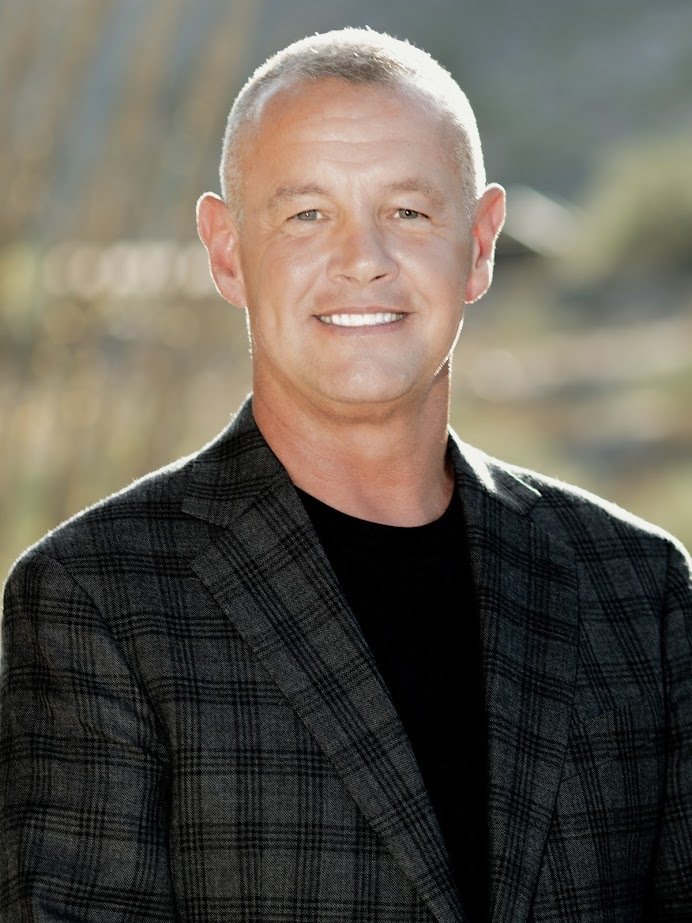
A Broker Who Knows Which Lenders Fund Manufacturers
I’m Kevin Kermeen, the nationwide commercial loan broker behind 75BizLoans.com, not a bank and not a lead-selling portal. Manufacturing lending splits between conventional real estate and equipment lenders and the SBA programs, and knowing when to use fast conventional financing up to $100 million* versus the government route is exactly what I do. I personally review every application, I call you directly, and I never text. For the SBA option, see the 7(a) loan program.
Don’t Beg the Bank!
Get Funded Instead.
Banks hand out umbrellas when the sun is shining, not when you’re weathering the storm … and they’ll push you into slow SBA paperwork for a plant you could buy faster. I match you to manufacturing business loans built for production … conventional real estate up to $100 million* without the government strings, equipment financing, working capital, and the Made in America SBA route if you want it. Get a same-day callback from a broker who reviews every deal himself.
Manufacturing financing generally ranges from $10,000 to $5 million for equipment and working capital, with conventional commercial real estate, construction and development financing available up to $100 million on qualified transactions. *90% leverage applies only to qualified commercial real estate, development and construction transactions generally between $5 million and $100 million (loan-to-value on stabilized properties; a blended loan-to-value and loan-to-cost on ground-up construction); large-deal terms generally run 12 to 60 months with closings typically in 15 to 30 days, and stabilized permanent financing runs 5 to 30 years. Owner-occupied bridge financing generally runs up to $100 million, 60 to 75% loan-to-value, interest-only, 6 to 60 month terms, with an SBA or permanent takeout exit. All figures are illustrative and not a commitment to lend; actual rates, leverage, terms and timing vary by lender, creditworthiness, property, collateral and structure. SBA Made in America, 504 and 7(a) loans are capped at $5 million and are separate government-backed programs with their own eligibility, terms and timelines set by the SBA; fee waivers and the 90% Made in America guarantee are SBA programs in effect for Fiscal Year 2026 and subject to change by the SBA. No upfront fees refers to fees payable to 75BizLoans.com; I am paid by the lender at closing. Some partner lenders may require a commitment deposit when you accept their term sheet.