
Behavioral Health Treatment Financing Nationwide for Treatment Centers, Up to $100 Million
🌱 Financing Built for Treatment CentersI’m Kevin Kermeen, a nationwide commercial loan broker, not a bank. Behavioral health treatment financing funds the moment a bank won’t, buying a treatment center, building or converting a facility, owning the real estate, or covering payroll while insurance reimbursements catch up. From a residential addiction program to an IOP or PHP, I match you to lenders who fund treatment centers.

Behavioral Health Treatment Financing for Every Stage
Whether you’re buying a treatment center, building or converting a facility, or covering payroll between reimbursements, there’s a path built for it. Here’s what behavioral health treatment financing commonly covers at every stage.
Facility Acquisition
Buy an established treatment center with licensure, accreditation and census in place. SBA 7(a) fits owner-operated deals.
Construction and Conversion
Build a new facility or convert a property into a residential or outpatient treatment center, land, construction and lease-up.
Real Estate and Refinance
Own the facility real estate or refinance existing debt with long-term, fixed-rate commercial real estate financing.
Working Capital and Insurance AR
Cover payroll and operations while insurance reimbursements catch up, with factoring against your receivables.
Bridge and Repositioning
Move fast on an acquisition or reposition an underperforming facility with short-term bridge financing.
Expansion and New Programs
Add beds, a new level of care, or open a second location to grow census and serve more patients.
An Operator Bought a Treatment Center the Bank Wouldn’t Touch
A behavioral health operator found a licensed residential treatment center to acquire, real estate, accreditation and census included, but the bank shied away from the industry and the slow insurance receivables, and the seller needed to close.
They called me. I structured behavioral health treatment financing that paired SBA-backed financing for the owner-operated business and real estate with a working-capital line for the insurance reimbursement gap, underwritten on the facility’s census and cash flow. It funded, the operator closed on time, and stepped into a running treatment center without a payroll crunch.
That’s what the right match looks like for a treatment center operator. Don’t Beg the Bank! Get funded instead.
How I Fund Treatment Centers, the Right Tool for Each Need
Behavioral health treatment financing isn’t one product. The right structure depends on whether you’re buying, building or covering cash flow. I match you to the one that fits, tap any to explore it.
SBA 7(a) Loans
A primary vehicle for acquiring an owner-operated treatment center, strong terms, often limited money down.
See SBA 7(a)Commercial Real Estate
Buy or refinance the facility real estate with long-term, fixed-rate commercial mortgage financing.
See commercial real estateSBA 504 Real Estate
Own the facility real estate with long-term, fixed-rate SBA 504 financing for owner-operators.
See SBA 504Bridge and Construction
Building, converting or repositioning a facility? Short-term bridge and construction financing to your timeline.
See bridge loansWorking Capital
Cover payroll and operations through lease-up and the insurance reimbursement cycle.
See working capitalWorking Capital and Factoring
Cover payroll through the insurance reimbursement gap, or factor your receivables for cash now.
See lines of creditQualifying for Behavioral Health Treatment Financing
Behavioral health treatment financing is different from a generic business loan, because the real estate, the licensure and the census are valuable, and many banks avoid the industry entirely. Lenders who know the space weigh occupancy, payer mix, your operating experience and the facility, so a strong operator with a solid center is a strong borrower. I qualify deals honestly.
✅ What helps you qualify
- ✔A licensed or accredited treatment center, or a plan to buy, build or run one.
- ✔Strong personal credit, the foundation for a new dentist with limited history.
- ✔For acquisition: a practice with solid, documented cash flow.
- ✔A down payment or contribution, which a parent or family member can help with.
💡 Straight talk
- →Owner-operated centers fit SBA; larger or stabilized deals use conventional commercial real estate.
- →Working capital and factoring cover the insurance reimbursement gap on the operating side.
- →Credit is flexible, there’s no single hard FICO floor; stronger credit means better terms.
- →Construction and bridge options exist for new builds, conversions and repositioning.
Get Your Behavioral Health Treatment Financing Options
A quick, no-pressure pre-qualification. I personally review every submission, no call center, no junior rep.
Got it. I’m on it.
Your behavioral health treatment financing request landed in my inbox. I personally review every submission and most responses go out within one business hour.
Watch for a call from me, Kevin Kermeen, I call directly, I don’t text.
Recent Behavioral Health Treatment Financing From My Desk
A snapshot of the behavioral health treatment financing I match to lenders nationwide, center by center. Every dentist and practice is different, yours starts with a conversation.
Behavioral Health Treatment Financing · SBA
An operator acquired a licensed residential treatment center with real estate and census, underwritten on cash flow.
Facility Conversion
A developer financed the purchase and conversion of a property into a residential treatment facility through lease-up.
Working Capital Line
A center opened a working-capital line and factored insurance receivables to cover payroll between reimbursements.
How I Match Behavioral Health Treatment Financing to the Right Lender
Many lenders avoid behavioral health entirely, and the ones that understand it, treating the facility, the license and the census as real value, compete hard for good operators. I work with many, so I match your behavioral health treatment financing to the lender that funds your goal, acquisition, construction, real estate or working capital, and I review the options with you before you commit.
Here’s the reality for a treatment center. It is two things at once, a real estate asset and a clinical operating business with slow insurance receivables, and many banks simply will not touch the industry. The right structure depends on the deal. An owner-operated residential or outpatient center often fits SBA 7(a) or 504 financing, with the real estate as collateral and limited money down. Larger or stabilized facilities move to conventional commercial real estate, builds and conversions use construction and bridge financing, and the insurance reimbursement gap is covered by working capital and factoring. I do not place HUD or agency paper; I match you to SBA, conventional, bridge and working-capital lenders active in behavioral health. According to the U.S. Small Business Administration, the 7(a) and 504 programs support this kind of owner-operated business and real estate financing.
The right structure depends on what you’re doing. Buying or starting a practice usually runs through an SBA 7(a) loan, and broader options live across the SBA loan programs. The facility real estate is best matched to a commercial real estate loan or SBA 504, and the insurance reimbursement gap to working capital and invoice factoring. If you want to own the building, an SBA 504 loan or commercial real estate loan gives long-term, fixed-rate terms. Builds and conversions point to bridge loans and startup business funding, and lease-up is covered by working capital loans or a business line of credit.
So tell me about the center, buying, building, refinancing or covering payroll, and what you need. I’ll tell you honestly which behavioral health treatment financing structure fits, match you to the lender most likely to approve it, and stay with you through closing. Other healthcare providers, see my healthcare business loans hub, or compare every option on my loan programs page. Don’t Beg the Bank! Get funded instead.
Sources: U.S. Small Business Administration, 7(a) loan program and 504 loan program.
Straight Answers Before You Apply
What is behavioral health treatment financing?
Do you offer HUD or agency loans for treatment centers?
How do I finance buying a treatment center?
How do I cover payroll between insurance reimbursements?
How much can I borrow for a treatment center?
What does it cost to work with you?
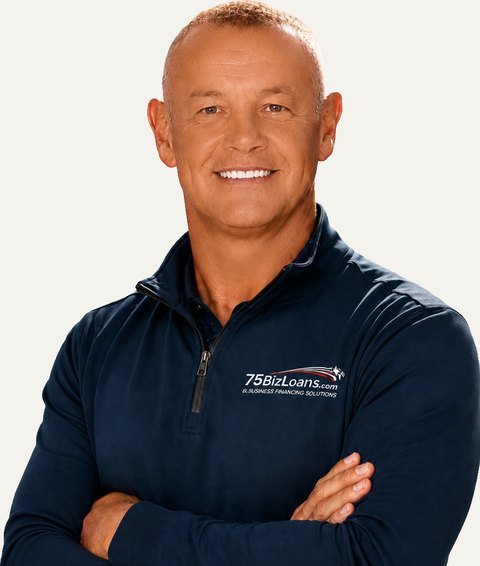
A Broker Who Knows Which Lenders Fund Treatment Centers
I’m Kevin Kermeen, the nationwide commercial loan broker behind 75BizLoans.com, not a bank and not a lead-selling portal. Behavioral health lending has its own specialist lenders willing to finance an industry many banks avoid, and matching you to the right one, for an acquisition, construction, real estate or working capital, is the whole point of working with me. I do not place HUD or agency paper; I focus on SBA, conventional, bridge and working-capital financing. I personally review every application, I call you directly, and I never text. For program details, see the SBA’s 7(a) loan program.
Don’t Beg the Bank!
Get Funded Instead.
Banks hand out umbrellas when the sun is shining, not when you’re weathering the storm … and many banks won’t touch a treatment center at all. I match you to behavioral health treatment financing built for your deal … buy or build a center, own the real estate, cover payroll through the insurance gap, expand programs, and get a same-day callback from a broker who reviews every deal himself.
Loan amounts, terms, rates and funding speed shown reflect typical lender programs, not guarantees, and vary by lender, creditworthiness, practice performance, collateral and structure. Behavioral health and treatment center financing generally goes up to $100 million depending on the facility, real estate and deal. Larger real estate transactions follow lender-specific leverage, term and timing; owner-occupied bridge financing typically carries terms of 6 to 60 months and closings of 15 to 30 days. I do not place HUD, FHA or other agency paper. *Practice acquisition and startup are commonly financed through SBA 7(a); SBA loans follow standard SBA timelines and eligibility, and “no two years of history needed” refers to acquisition loans underwritten on the target practice’s cash flow rather than the borrower’s prior business history. Credit is considered along with other factors; there is no single hard minimum FICO simply to apply, but stronger credit supports better rates and terms, and not all applicants are approved. Fees vary by loan and are disclosed before you commit. Final eligibility, rate, term and structure are determined by the lender. This is not a commitment to lend. Same-day approval is possible on select programs when the application reaches me before 9am Arizona Time.