SBA Microloans Nationwide, Up to $50,000
🌱 Small-Dollar SBA FundingI’m Kevin Kermeen, a nationwide commercial loan broker, not a bank. SBA microloans are the SBA’s small-dollar program: up to $50,000, delivered through nonprofit community lenders with more forgiving credit standards and often built-in mentorship. When a big bank loan is more than you need, this is the right-sized capital. I match you to the right microlender.
SBA Microloans Run Through Nonprofit Community Lenders
Here is what makes SBA microloans different. The SBA does not lend the money and neither does a big bank. The SBA funds specially designated nonprofit, community-based intermediary lenders, and those intermediaries make the loans, set the terms, and often pair the funding with management and technical assistance. That structure is exactly why microloans reach businesses a bank would pass on.
SBA Microloans Up to $50,000
The microloan caps at $50,000, with the average around $13,000. Right-sized capital when a full bank loan is more than you need.
Nonprofit Intermediaries
Delivered through community-based nonprofit lenders the SBA funds, not big banks. They make every credit decision.
More Forgiving Standards
Intermediaries set their own credit rules, generally more accessible than a bank, with newer and smaller businesses in mind.
Built-In Mentorship
Many microlenders pair the loan with business management and technical assistance, real help, not just money.
Terms to 7 Years
The maximum repayment term on an SBA microloan is seven years, with manageable payments set by the lender.
Childcare Centers Too
The program also serves certain not-for-profit childcare centers, alongside for-profit small businesses.
Small Shop Funded $18K for Equipment and Inventory When a Bank Wouldn’t Bother
A small business owner needed about $18,000 for equipment and inventory. The amount was too small for a bank to bother with, and conventional lenders wanted a bigger loan or nothing at all.
He called me. I matched him to an SBA microloan through a nonprofit intermediary: right-sized capital at a fair rate over a multi-year term, plus the technical assistance the microlender included. He got exactly what he needed, no more, no less.
That is the difference between “too small to matter” and the right-sized lender. Don’t Beg the Bank! Get funded instead.
What SBA Microloans Pay For
Per the SBA, SBA microloans cover the things a small business needs to rebuild, re-open, repair, enhance or improve. The list is broad, with two clear exceptions: you cannot use a microloan to pay existing debt or to buy real estate.
Working Capital
The operating cash to run and grow the business day to day, from payroll to marketing to rent.
Inventory and Supplies
Stock the shelves and the stockroom with the inventory and supplies your business sells and uses.
Machinery and Equipment
Buy the machinery, equipment and tools your operation needs to do the work and deliver.
Furniture and Fixtures
Outfit the space with the furniture and fixtures that make your business run and look the part.
Repair and Re-Open
Rebuild, repair or re-open, the microloan is built to help a small business recover and improve.
Not Debt or Real Estate
A microloan cannot pay off existing debt or purchase real estate. For those, a 7(a) or 504 is the route.
SBA Microloans Rates, Terms and the Fine Print
Because each nonprofit intermediary that makes SBA microloans sets its own pricing within SBA guidelines, the exact rate and term depend on your lender and your deal. Here is the honest range straight from the SBA.
| Feature | SBA Microloan |
|---|---|
| Maximum amount | $50,000 (average about $13,000) |
| Interest rate | Set by the intermediary lender |
| Maximum term | 7 years |
| Delivered by | Nonprofit community intermediary lenders |
| Security | Collateral and a personal guarantee generally required |
| Bigger need? | SBA 7(a) loans up to $5M |
Swipe to see all columns →
The maximum SBA microloan is $50,000, with the average around $13,000. Interest rates are set by the nonprofit intermediary lender, and the maximum repayment term is seven years. Microloans fund working capital, inventory, supplies, furniture, fixtures, machinery and equipment, but cannot be used to pay existing debt or purchase real estate. Intermediaries set their own credit requirements and generally require collateral and a personal guarantee. Under the SBA’s 2026 policy update, every owner of a business applying for an SBA microloan must be a U.S. citizen or U.S. national. SBA-approved lenders make all credit decisions and set all terms. This is not a commitment to lend.
I Match You to the Right Microlender.
Microloans run through nonprofit intermediaries, and the right one for you depends on your location, industry and need. That is what I line up.
Quick Pre-Qual
A simple review of your business, your need and how much you’re after. No giant package to start.
I Match Your Microlender
I connect you to the nonprofit intermediary lender that fits your location, industry and amount.
You Apply Through Them
You work directly with the intermediary, who makes the credit decision, sets the terms and funds it.
Fund and Grow
You put the right-sized capital to work, often with the lender’s mentorship alongside it.
Who SBA Microloans Are, and Are NOT, For
SBA microloans are right-sized capital, not a big loan in disguise. I qualify deals honestly so neither of us wastes time. If you’re on the left, call me today.
✅ This IS for you if…
- ✔You need $50,000 or less for your small business.
- ✔You want working capital, inventory, equipment or fixtures.
- ✔You’re newer or smaller and a bank keeps passing.
- ✔You’d value mentorship alongside the funding.
- ✔You can offer some collateral and a personal guarantee.
🚫 This is NOT for you if…
- ✕You need more than $50,000 … look at a 7(a).
- ✕You want to pay off existing debt … not allowed on a microloan.
- ✕You’re buying real estate … that’s a 504 or 7(a).
- ✕You’re funding speculation or passive investment.
- ✕You won’t sign a personal guarantee.
Pre-Qualify for an SBA Microloan
Sixty-second SBA microloans pre-qualification. I personally review every submission, no call center, no junior rep.
Got it. I’m on it.
Your SBA microloans pre-qualification landed in my inbox. I personally review every submission and most responses go out within one business hour.
Watch for a call from me, Kevin Kermeen, I call directly, I don’t text.
Recent SBA Microloans From My Desk
A snapshot of the SBA microloans I match to nonprofit lenders. Every deal is different, yours starts with a conversation.
$18K · Equipment and Inventory
Right-sized microloan for a small shop a bank wouldn’t bother with, plus mentorship.
$35K · Working Capital
Newer business funded through a nonprofit intermediary to cover operating costs and grow.
$12K · Childcare Center
A not-for-profit childcare center funded for supplies and fixtures through the microloan program.
How I Match SBA Microloans to the Right Nonprofit Lender
SBA microloans run through a network of nonprofit, community-based intermediary lenders, and the right one depends on your location, industry and need. I know the SBA microloans network, and I match you to the intermediary most likely to fund your deal. That is the whole point of working with me.
Here is the structure that makes SBA microloans work. The SBA does not lend directly and neither does a big bank. The SBA provides funds to specially designated nonprofit intermediaries, which are community-based organizations experienced in lending and in management and technical assistance. Those intermediaries make all the credit decisions, set all the terms, and administer the loan. Because their mission is economic development, their standards are generally more forgiving than a bank’s, which is why an SBA microloan often reaches a newer or smaller business that a conventional lender turns away.
The numbers behind SBA microloans are right-sized on purpose. A microloan goes up to $50,000, the average is about $13,000, rates are set by the intermediary, and the maximum repayment term is seven years. You can use the money for working capital, inventory, supplies, furniture, fixtures, machinery and equipment, but not to pay off existing debt or to buy real estate. Collateral and a personal guarantee are generally required, and under the SBA’s 2026 policy update every owner of the applying business must be a U.S. citizen or U.S. national.
So tell me what you need. Small and right-sized? An SBA microloan. Just launching and unsure of the path? See my SBA startup loans guide. Need more than $50K? An SBA 7(a) loan up to $5 million. Buying real estate? An SBA 504 loan. Want a revolving line or fast cash instead? Compare working capital loans, equipment financing, a business line of credit or my startup business funding options. Want the full menu? See all my SBA loans or browse every option on my loan programs page. Don’t Beg the Bank! Get funded instead.
Straight Answers Before You Apply
What are SBA microloans?
What can I use an SBA microloan for?
What are SBA microloan rates and terms?
Is a microloan easier to qualify for than a bank loan?
Who is eligible for an SBA microloan?
What does it cost to work with you?
A Microloan Advisor Who Knows the Nonprofit Lender Network
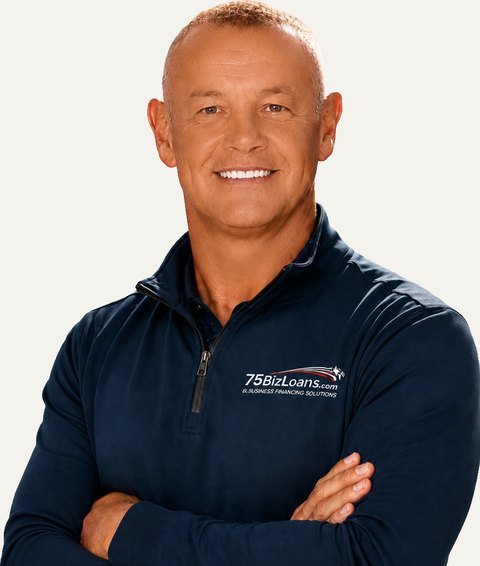
I’m Kevin Kermeen, the nationwide commercial loan broker behind 75BizLoans.com, not a banker. SBA microloans run through a network of nonprofit intermediary lenders, and the right one depends on your location, industry and need. I match your microloan to the intermediary most likely to fund it and stay with you through it. For the official program details, see the SBA’s microloan program page and its list of microlenders.
Get Funded Instead.
Banks hand out umbrellas when the sun is shining, not when you’re weathering the storm … and they rarely bother with a small loan. I match you to the right SBA microloan intermediary so you get exactly what you need … up to $50,000, rates set by the intermediary, terms to seven years, often with mentorship, and a same-day callback from a broker who knows the nonprofit lender network.
Loan amounts, rates and terms shown reflect SBA program parameters and typical intermediary practice, not guarantees. The maximum SBA microloan is $50,000, with the average around $13,000. Interest rates are set by the nonprofit intermediary lender, and the maximum repayment term is seven years. Microloans may fund working capital, inventory, supplies, furniture, fixtures, machinery and equipment, but cannot be used to pay existing debt or to purchase real estate. SBA microloans are delivered through nonprofit, community-based intermediary lenders that make all credit decisions and set all terms; collateral and a personal guarantee are generally required. The program also serves certain not-for-profit childcare centers. Under the SBA’s 2026 policy update, every direct and indirect owner of a business applying for an SBA microloan must be a U.S. citizen or U.S. national. Fees vary by loan and are disclosed before you commit. Final eligibility, rate, term and structure are determined by the SBA and the intermediary lender. This is not a commitment to lend.