SBA Startup Loans Nationwide for New Businesses
🚀 SBA-Backed Funding for New BusinessesI’m Kevin Kermeen, a nationwide commercial loan broker, not a bank. Here is the honest truth about SBA startup loans: there is no single SBA program literally named that. The SBA funds new businesses through its microloan (built for startups, up to $50,000) and its 7(a) program for bigger needs. I’ll tell you straight which one you can actually get, and match you to the right lender.
The honest truth most sites won’t tell you
There is no SBA program literally called a “startup loan.” New businesses get SBA startup loans through two real channels: the SBA microloan, which is the one actually designed for startups, and the 7(a) program for larger needs once you have some footing. I won’t sell you a fantasy. I’ll tell you which one you can realistically get and match you to the lender.
SBA Startup Loans Come Through Two Real Programs
A startup does not apply for a generic “startup loan.” SBA startup loans come through one of these two real SBA programs. Here is the straight version of each, with which founder it fits. Click through for the full details, or call me and I’ll tell you which is realistic for you in one conversation.
SBA Microloan
The one program behind most SBA startup loans, actually designed for new businesses. Up to $50,000 through nonprofit community lenders, with relaxed credit standards and often built-in mentorship. The realistic door for a new business.
See SBA MicroloansSBA 7(a) for Startups
The flexible flagship behind larger SBA startup loans, up to $5 million, for a startup with real footing: strong credit, an equity injection, a solid plan, or a franchise or acquisition. Harder to land brand-new, but the path once you can show repayment ability.
See SBA 7(a) LoansFirst-Time Founder Funded a New Shop With an SBA Microloan and a Mentor
A first-time founder had a solid plan and a little savings but no business track record. Three banks turned her down flat … no history, nothing to underwrite. She thought SBA was out of reach.
She called me. I matched her to an SBA microloan through a nonprofit intermediary: about $40,000 for equipment, inventory and working capital, with the technical-assistance mentorship many microlenders include. She opened the doors and started building the track record that opens bigger doors later.
That is the difference between three flat rejections and the right startup path. Don’t Beg the Bank! Get funded instead.
What SBA Startup Loans Actually Pay For Your New Business
For a startup, the microloan is the workhorse, so SBA startup loans mostly mean what an SBA microloan covers. Per the SBA, a microloan funds the things a new business needs to open and grow … but not real estate and not debt refinance. Bigger or property-related needs move you toward a 7(a).
SBA Startup Loans for Working Capital
The operating cash a new business burns through in its first months: rent, payroll, marketing and day-to-day costs.
Inventory and Supplies
Stock the shelves and the stockroom. Microloans are built to fund the inventory and supplies a startup needs to sell.
Equipment and Machinery
The tools, machines and gear your new business needs to actually do the work and deliver.
Furniture and Fixtures
Outfit the space, from front-of-house fixtures to the desks and shelving that make the operation run.
Mentorship and Guidance
Many microloan intermediaries pair funding with technical assistance, helping first-time owners build financial footing.
Bigger via 7(a)
Need real estate, an acquisition or far more than $50K? That moves to a 7(a). I’ll tell you if you can realistically get there.
The Honest Bar for SBA Startup Loans
I would rather tell you the truth now than waste your time. SBA startup loans are the hardest SBA approval there is, because there is no track record to underwrite. Here is what actually moves the needle, and what does not.
✅ What helps you get approved
- ✔A real equity injection … your own money in the deal.
- ✔Strong personal credit, roughly a 650+ FICO.
- ✔Industry experience or relevant management background.
- ✔A clear, feasible business plan with realistic numbers.
- ✔Collateral and a willingness to sign a personal guarantee.
🚫 What gets a startup declined
- ✕An idea with no plan, no capital and no experience.
- ✕Expecting 100% financing with nothing of your own in.
- ✕Needing the cash this week … SBA takes real underwriting.
- ✕A speculative or passive-investment venture.
- ✕Note: SBA microloan owners must be U.S. citizens or nationals.
Buying a franchise or an existing business instead of starting from zero? That is often an easier SBA approval … see franchise financing, equipment financing and my startup business funding options beyond the SBA.
I Tell You the Truth, Then Find Your Lender.
No false hope, no wasted applications. Here is how SBA startup loans move you from “the bank said no” to funded through the right SBA channel.
Honest Pre-Qual
I review your plan, capital, credit and experience and tell you straight which SBA startup loans path is realistic.
I Match the Lender
Microloan through a nonprofit intermediary, or a 7(a) lender if you have the footing. I pick the right one.
You Apply Through Them
You work directly with the lender or intermediary, who underwrites and funds your loan.
Open and Build
You fund the launch, open the doors, and start the track record that unlocks bigger capital later.
Who SBA Startup Loans Are, and Are NOT, For
I qualify startups honestly so neither of us wastes time. If you’re on the left, call me today.
✅ This IS for you if…
- ✔You’re launching or in the early years of a for-profit U.S. business.
- ✔You have some of your own capital and decent personal credit.
- ✔You need $50K or less to open and operate (microloan).
- ✔You have experience or a strong, fundable plan for bigger 7(a) needs.
- ✔You want an honest read on what you can actually get.
🚫 This is NOT for you if…
- ✕You want money with no plan, no capital and no experience.
- ✕You need emergency cash this week.
- ✕You’re funding speculation or passive rental real estate.
- ✕You won’t put any of your own money in.
- ✕You won’t sign a personal guarantee.
Get an Honest Read on Your Startup
Sixty-second SBA startup loans pre-qualification. I personally review every submission, no call center, no junior rep.
Got it. I’m on it.
Your SBA startup loans request landed in my inbox. I personally review every submission and most responses go out within one business hour.
Watch for a call from me, Kevin Kermeen, I call directly, I don’t text.
Recent SBA Startup Loans From My Desk
A snapshot of the SBA startup loans I match to lenders for new businesses. Every founder is different, yours starts with a conversation.
$40K · New Retail Shop, Microloan
First-time founder, no history, funded for equipment and inventory through a nonprofit intermediary.
$28K · Service Startup, Microloan
Working-capital microloan with built-in mentorship to launch a new service business.
$400K · Franchise, 7(a)
Experienced operator with an equity injection funded a franchise build-out on a 7(a).
How I Match SBA Startup Loans to the Lenders That Fund New Businesses
Most sites selling SBA startup loans let you believe there is a magic program and a guaranteed yes. There is not. I give you the honest read on SBA startup loans first, then match you to the channel and lender most likely to actually fund a new business like yours. That honesty is the whole point of working with me on SBA startup loans.
Here is what every founder needs to understand. The SBA does not have a loan called a “startup loan.” It funds new businesses through its existing programs, and for a true startup the realistic one is the microloan. Per the SBA, microloans go up to $50,000, average around $13,000, and are delivered through nonprofit community-based intermediaries that set their own credit rules … rules that are deliberately more forgiving for new and underserved businesses, and that often come with mentorship. Rates are set by the intermediary lender, with terms up to six to seven years, and the funds cover working capital, inventory, supplies, equipment and fixtures, but not real estate or debt refinance.
The 7(a) is the other door, and it is a bigger one … up to $5 million … but it is harder for a brand-new business to walk through. A 7(a) lender wants demonstrated repayment ability, an equity injection, strong credit and a feasible plan. A pure idea with no capital rarely clears that bar. A franchise, an acquisition of an existing cash-flowing business, or a founder with real experience and money in the deal is a very different story, and that is often where a startup actually lands a 7(a). One honest note from the SBA’s 2026 rules: every owner applying for an SBA microloan must be a U.S. citizen or U.S. national.
So tell me where you really are. Need under $50K to open? An SBA microloan. Have footing and bigger needs? An SBA 7(a) loan. Buying a franchise? See franchise financing. Want options beyond the SBA? See my startup business funding page, a business line of credit, or working capital loans, the full list of SBA loans, or browse every option on my loan programs page. Don’t Beg the Bank! Get funded instead.
Straight Answers Before You Apply
Are SBA startup loans a real program?
How much can a startup borrow from the SBA?
What are SBA microloan rates and terms for startups?
Can I get an SBA loan with no business history?
Are there citizenship requirements for SBA startup funding?
What does it cost to work with you?
A Startup Advisor Who Tells You the Truth, Not a Fantasy
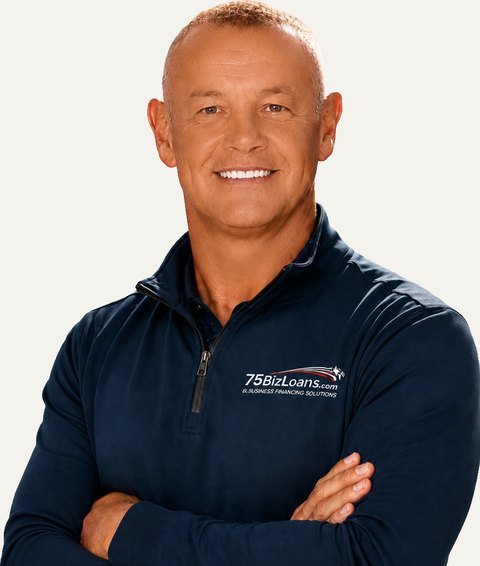
I’m Kevin Kermeen, the nationwide commercial loan broker behind 75BizLoans.com, not a banker. New businesses are the toughest deals in SBA lending, and I won’t sell you false hope. I tell you straight which SBA path is realistic, match you to the microloan intermediary or 7(a) lender most likely to fund a startup like yours, and stay with you through it. For the official program details, see the SBA’s microloan program page and its overview of SBA loan programs.
Get Funded Instead.
Banks hand out umbrellas when the sun is shining, not when you’re weathering the storm … and they almost never lend to a brand-new business. I give you the honest read and match you to the SBA startup loans channel that actually funds new businesses: a microloan up to $50K, or a 7(a) when you have the footing, and a same-day callback from a broker who tells you the truth.
There is no SBA program named “startup loan.” New businesses access SBA capital through existing programs, primarily the SBA microloan and the 7(a) loan. SBA microloans are up to $50,000 (average about $13,000), provided through nonprofit intermediary lenders that set their own credit and collateral requirements; interest rates are set by the intermediary, with repayment terms up to roughly six to seven years, and funds may be used for working capital, inventory, supplies, equipment and fixtures but not real estate or debt refinance. A personal guarantee and some collateral are generally required, and under the SBA’s 2026 rules every owner of a business applying for an SBA microloan must be a U.S. citizen or U.S. national. SBA 7(a) loans run up to $5 million but require demonstrated repayment ability, an equity injection, strong credit and a feasible plan, which makes them harder for brand-new businesses. A 650 FICO is a typical lender floor, not an SBA rule. Fees vary by loan and are disclosed before you commit. Final eligibility, rate, term and structure are determined by the SBA and the lender. This is not a commitment to lend.